Start with what the weather does
Outdoor instruments face four enemies: ultraviolet light, which breaks down skins, glues and finishes; moisture, which swells wood and slackens heads; temperature swings, which crack shells and detune tuned metal; and condensation, which arrives every evening as dew even on dry days. Every buying decision is really a decision about which of these you can manage.
Natural skins versus synthetic heads
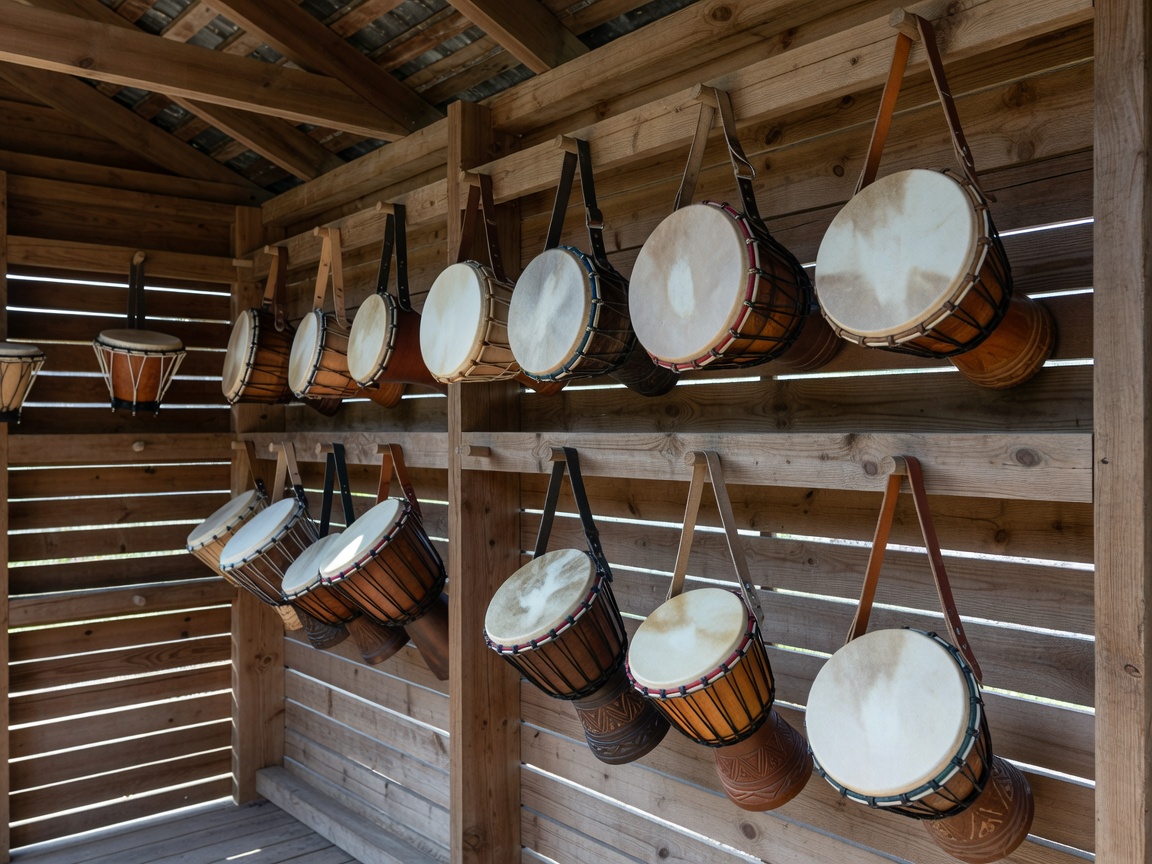
West African djembes are traditionally carved from a single piece of hardwood and topped with goatskin. They sound wonderful, but a natural head is essentially leather: it tightens in sun, softens in humidity and can split if it dries hard and is then struck heavily. Treat natural-skin drums as indoor instruments that visit the garden.
Synthetic heads, made from layered polyester films or fibre composites, hold their tuning through humidity changes and shrug off a light shower. Remo, an American maker, pioneered plastic drumheads in the 1950s and now offers synthetic djembes and frame drums widely used in schools and community programmes such as its HealthRHYTHMS drumming protocol. Synthetic shells in fibreglass or acrylic resist moisture better than wood.
Comparison: what can stay outside?
| Instrument | Weather tolerance | Leave outdoors? | Realistic care |
|---|---|---|---|
| Djembe, natural goatskin | Low | No, play then store indoors | Keep from sun and rain; check rope tension seasonally |
| Djembe or frame drum, synthetic head | Medium | Only in a covered, ventilated store | Wipe dry after dew; avoid long UV exposure |
| Cajón (plywood box) | Low | No | Plywood laminations can lift if they stay damp |
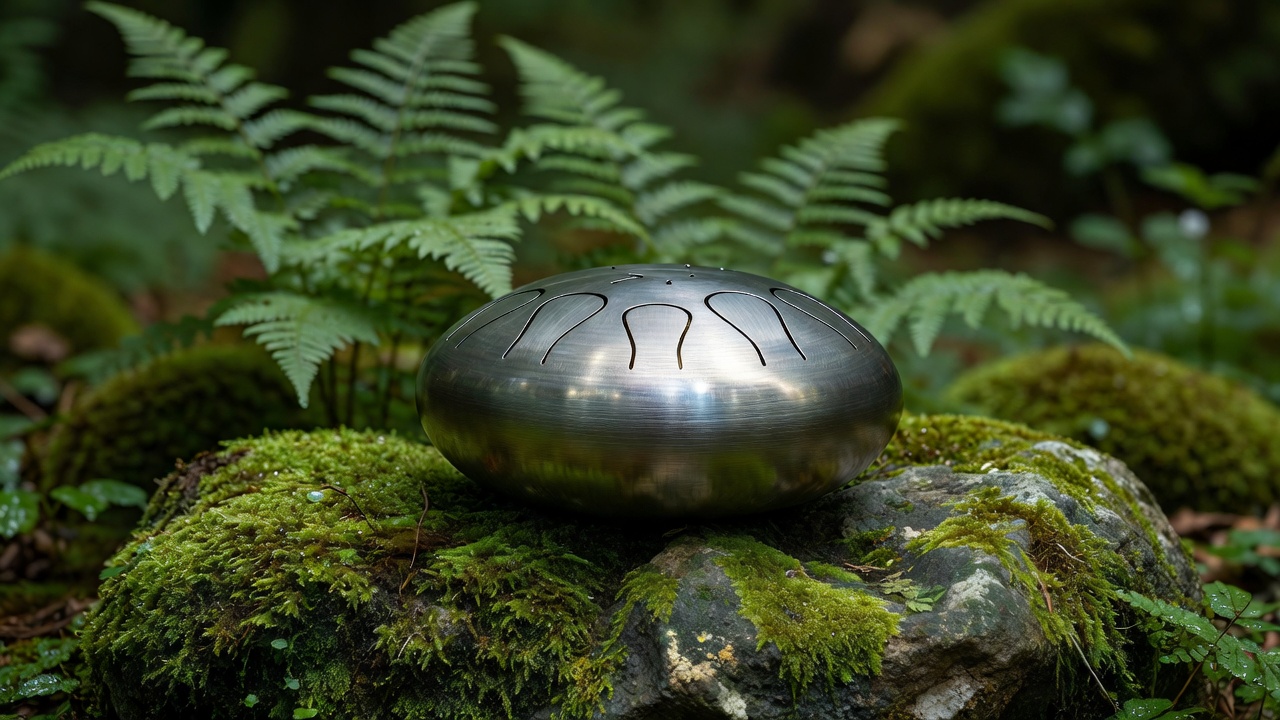
| Steel tongue drum | High | Under cover, yes | Dry after rain; stainless versions resist rust |
| Fixed park-grade instruments | Very high | Yes, designed for it | Occasional cleaning; check fixings yearly |
| Shakers, guiros, rain sticks | Low to medium | No | Seeds and dried gourds can rot or attract insects |
| Bamboo or hardwood chimes | Medium | Yes, with gradual weathering | Replace cords every few seasons |
Permanent instruments for the garden
If you want something that lives outside all year, look at instruments designed for parks and school playgrounds. Companies such as Freenotes Harmony Park in Colorado and Percussion Play in the United Kingdom build outdoor xylophones, chimes and drums from powder-coated steel, aluminium and recycled plastics, tuned to pentatonic scales so any combination of notes sounds pleasant. They are an investment and need secure ground fixings, but they turn a corner of the garden into a sound feature even when nobody is hosting.
Because they are always available, consider your neighbours before installing them. Gentle tuned bars rarely cause problems; a loud fixed drum by the boundary may.
Paired decision: buy or borrow first?
Test with loaners
Ask a local community drumming group, school or library of things. Three sessions will show which sounds suit your space.
Buy for the garden
Once the layout and shade are proven, choose one robust centrepiece and a basket of small hand percussion.
Storage that actually works
A garden store for instruments needs three things: it must be dry, ventilated and shaded. A sealed plastic box left in sun becomes a humid oven. A wooden deck box with a raised floor and small vents, or a shelf in a shed lined with breathable fabric, is far better. Put silica gel packs in with metal instruments and hang drums by their rims or carrying straps so air reaches the heads. Marine-grade 316 stainless steel fixings resist corrosion better than standard zinc-plated hardware for any brackets or hooks.
Maintenance checklist
- Wipe every instrument dry before it goes back in the store
- Never leave natural-skin drums out overnight
- Check rope-tuned drums for slack at the start of each season
- Oil wooden shells lightly once or twice a year
- Inspect metal for rust spots and treat early
- Replace silica gel packs when they change colour
- Keep a soft cloth and a spare cover in the store